Not every claim that gets dressed up as “science” actually holds water. These days, it feels like you can find wild theories and shaky “facts” being thrown around everywhere: from everyday conversations to viral posts online.
That’s where one lively Facebook group steps in, collecting and poking fun at the most questionable “scientific” claims people have come across. The results are both hilarious and eye-opening, as members share examples that sound smart on the surface but fall apart under even the most basic scrutiny. Keep reading to discover some of the funniest and most ridiculous ones that made the list!
#1
#2

#3

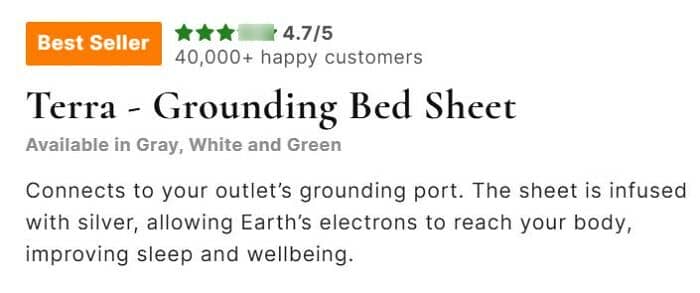
While it’s easy to laugh at some of these so-called scientific claims, how often do we actually pause to question the reasoning behind them? Take products labeled as “scientifically proven,” for example. Many people have fallen for the promise without ever checking if there’s real evidence to back it up. Marketing buzzwords can be incredibly convincing, and it’s easy to grab that skincare cream, diet supplement, or fancy gadget without thinking twice.
#4

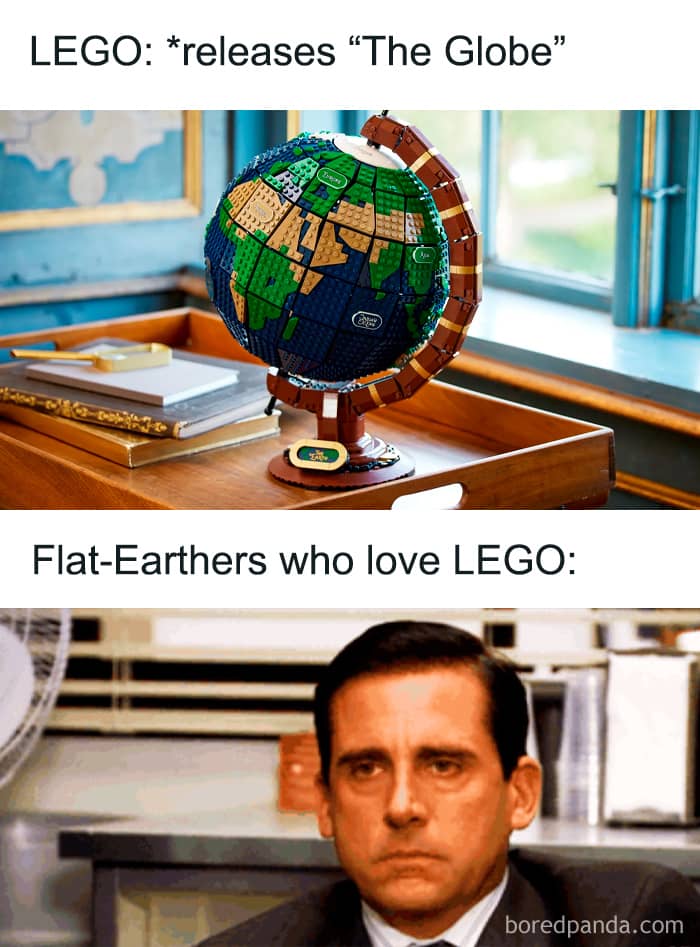
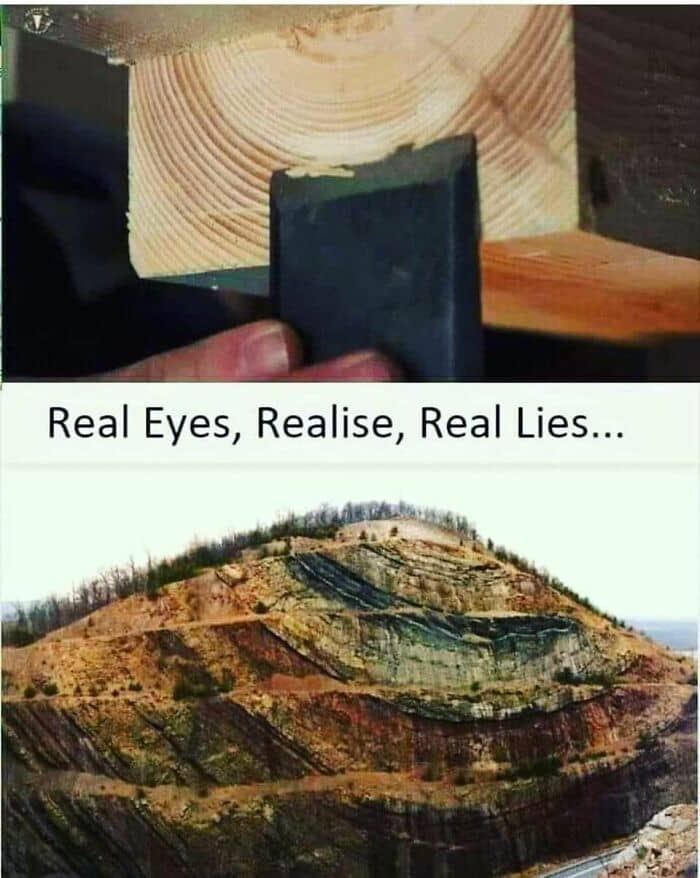
How dinosaurs went extinct according to flat earthers.
#5

#6

But how often do we actually check whether these claims hold any real weight? More often than not, they’re just clever advertising tricks designed to sound impressive, without any real scientific backing. Science, after all, doesn’t deal in absolute “proof” the way we often imagine.
#7
#8
Everything was going so wholesomely…until
#9
Psychology Today points out that one of the biggest misconceptions is the idea of scientific proof; proof exists in mathematics and logic, not in science. Science is about building evidence through research, experiments, and observations, and scientific ideas evolve as new discoveries are made.
#10

#11

#12
Forbes explains that proving anything in science is impossible. Instead, science aims to refine our understanding of the world by constantly testing ideas against evidence. This is why theories evolve over time and why science never rests on unquestionable claims.
#13

#14
#15
At its core, science is about constructing accurate explanations of how the world and universe work. By analyzing evidence and testing ideas, it builds reliable conclusions, far beyond baseless claims or assumptions. Scientific arguments are built on logic and research, not personal beliefs or opinions.
#16
#17
#18
When scientists talk about “arguments,” they aren’t referring to heated debates. A scientific argument is a structured, evidence-based explanation, similar to a closing argument in a court case. It presents the reasoning behind an idea along with supporting data to show why it should or shouldn’t be accepted.
#19
#20

#21

#22
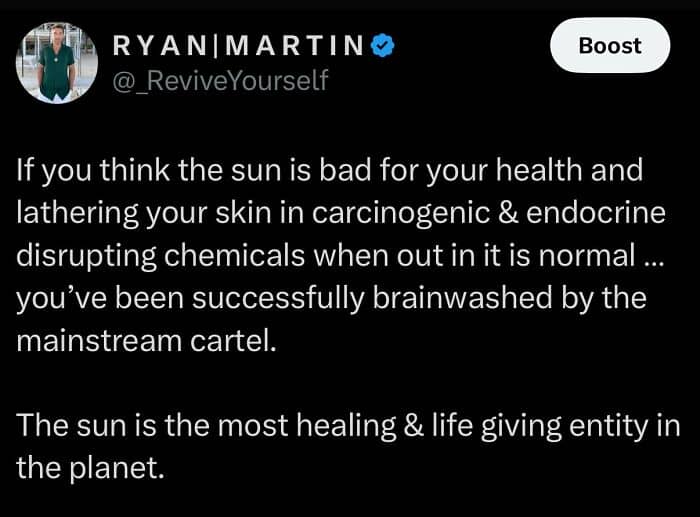
The strength of a scientific idea depends entirely on the evidence. Predictions that match real-world observations build credibility, while ideas that don’t align with evidence are reconsidered. Unlike pseudoscience, real science adapts based on what the evidence shows, not on clinging to a belief.
#23
#24

A comment from a “research scientist” about why black people can look into the eclipse with no protection because of their superior eyes due to having more melanin than white people.
#25
#26

So next time you see a product or claim labeled “scientifically proven,” take a second look. Just because it sounds science-y doesn’t mean it actually is. Many brands use scientific terms to appear credible, but without research to back them up, they’re often nothing more than empty words. That’s why people are sharing some of the most absurd, misleading “scientific” claims online—it’s a reminder to always question what’s presented as fact.
#27
#28
#29
#30

#31

#32
#33
#34

#35
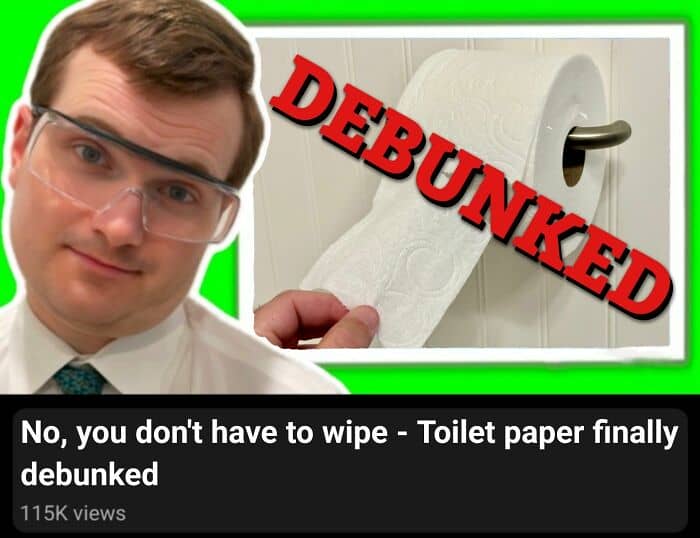
#36
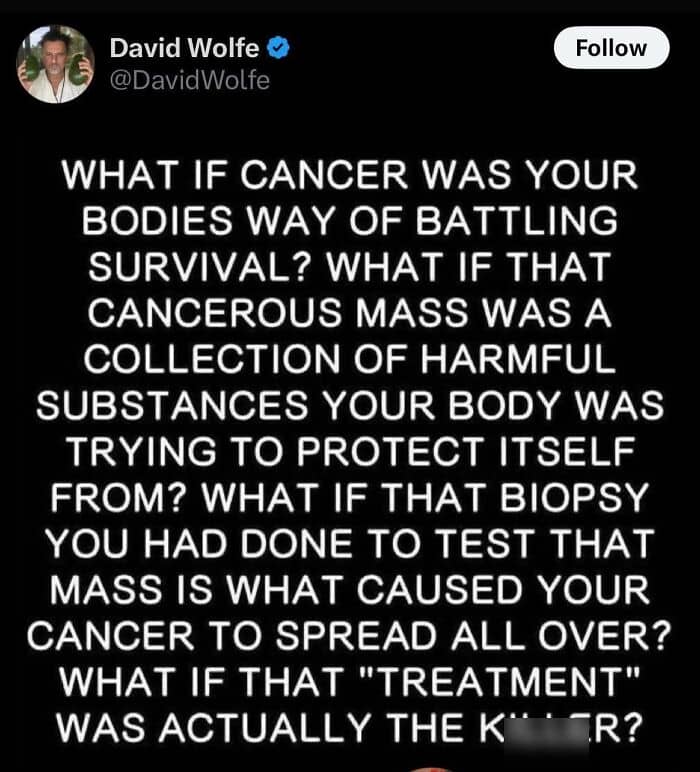
#37

#38

#39
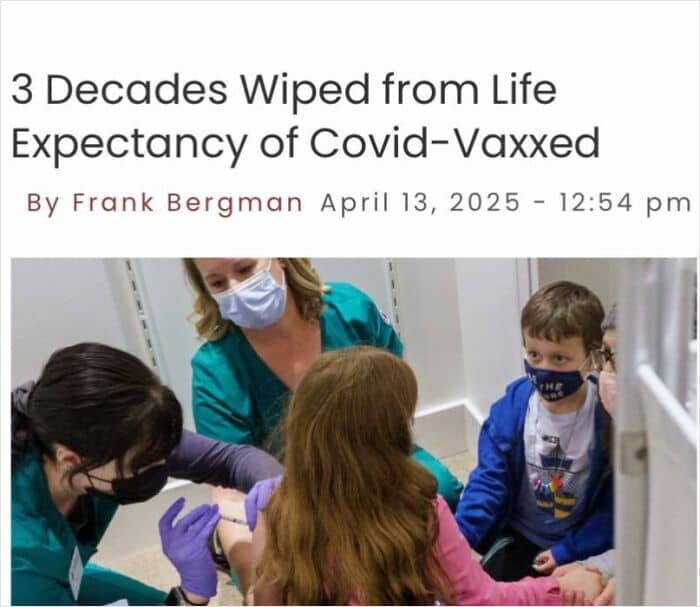
#40
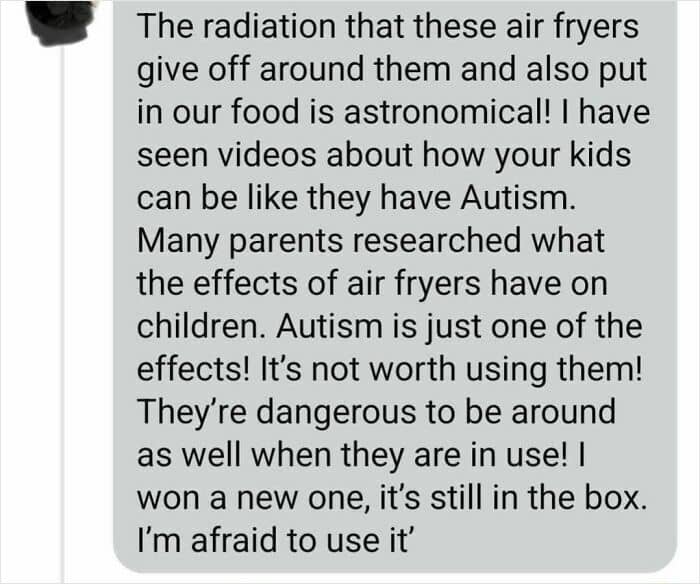
#41

#42

#43
#44
#45

#46
#47

#48
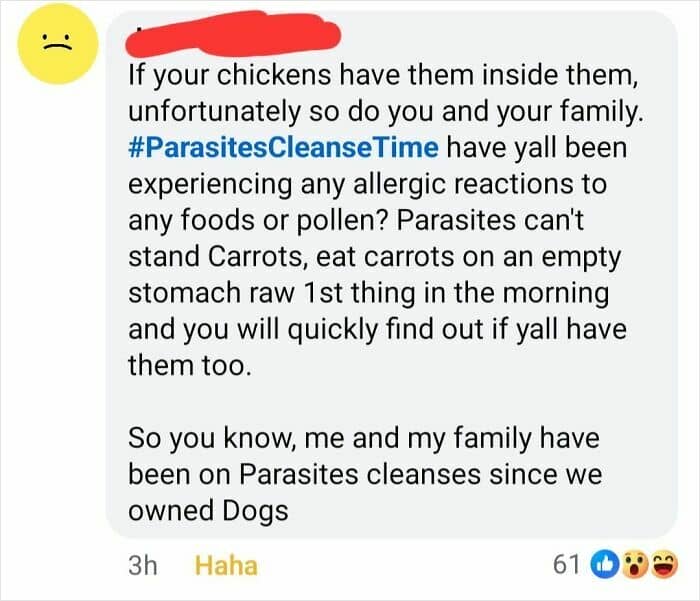
A comment on a post of someone asking how to treat roundworm in their chickens.
As someone who worked in vet med, I am also very repulsed that their dogs frequently get roundworm…..if they’re not treating with dewormer, they likely have never cleared the infestation in those poor babies (or their family if they truly all are infected).
#49
#50

#51
#52

#53

#54
#55
#56
#57

#58

#59
#60
#61
#62

#63

#64

#65
#66
#67
#68
#69
#70
#71

#72
#73
#74
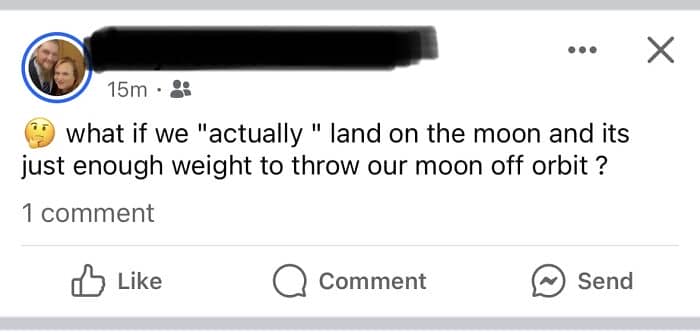
#75
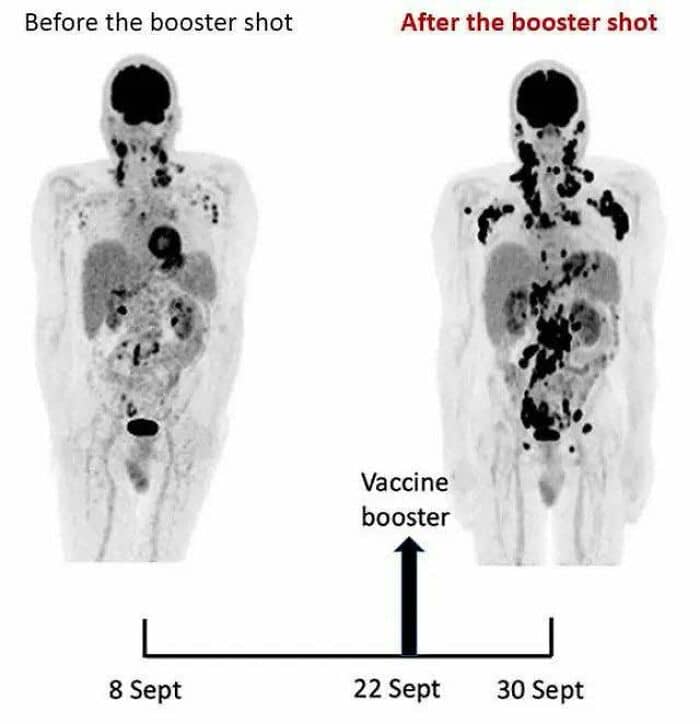
#76

#77

#78

#79

Wouldn’t a helicopter with blades like this be incredibly unstable, not to mention unable to fly?
#80

#81
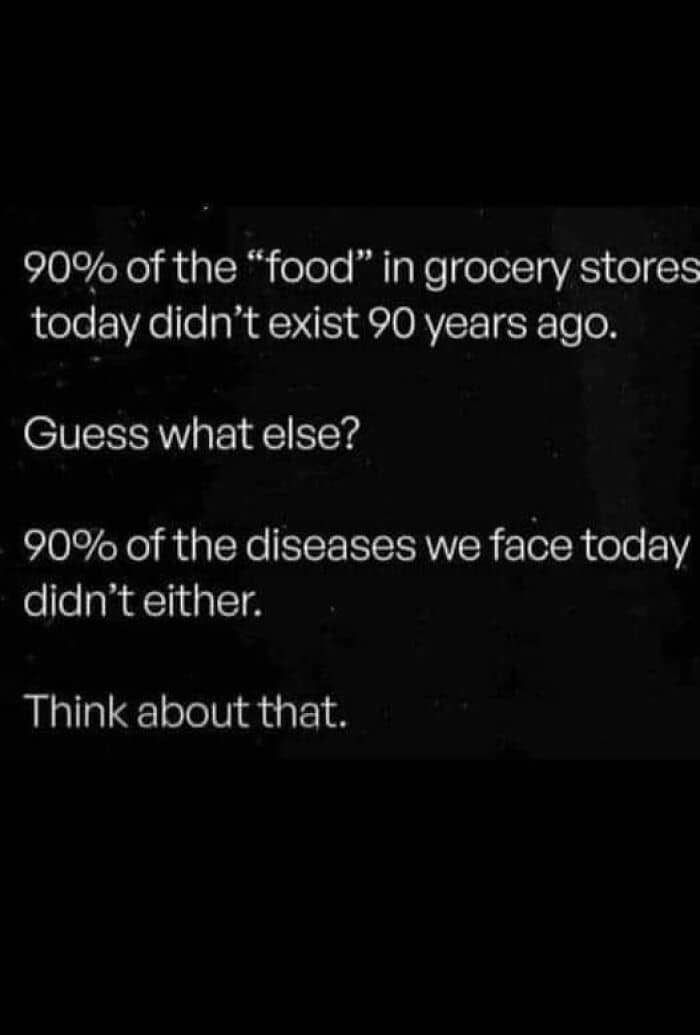
#82
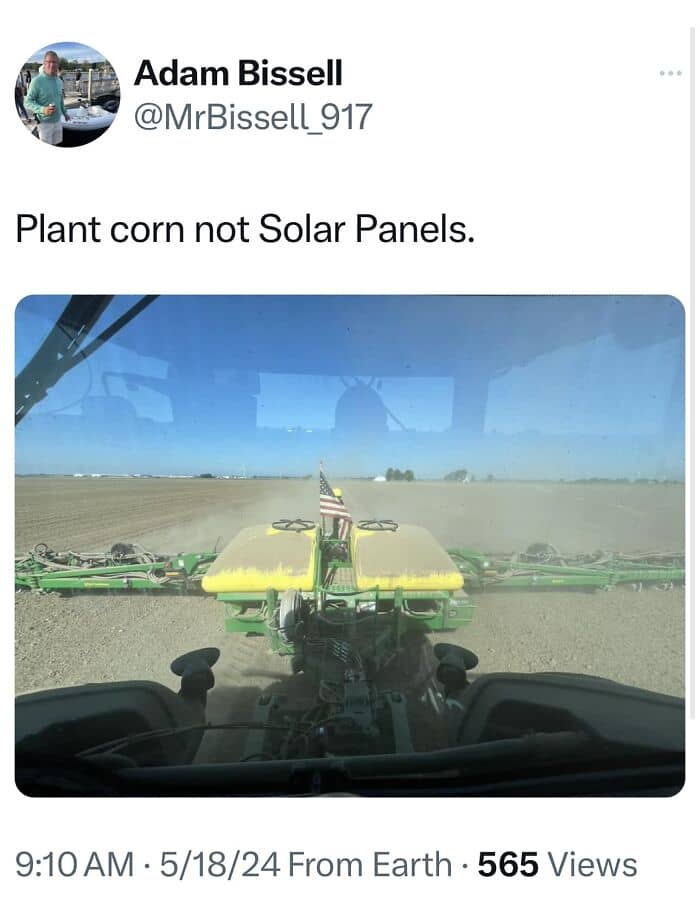
#83
#84
#85
#86

#87

#88

#89

#90
#91

#92
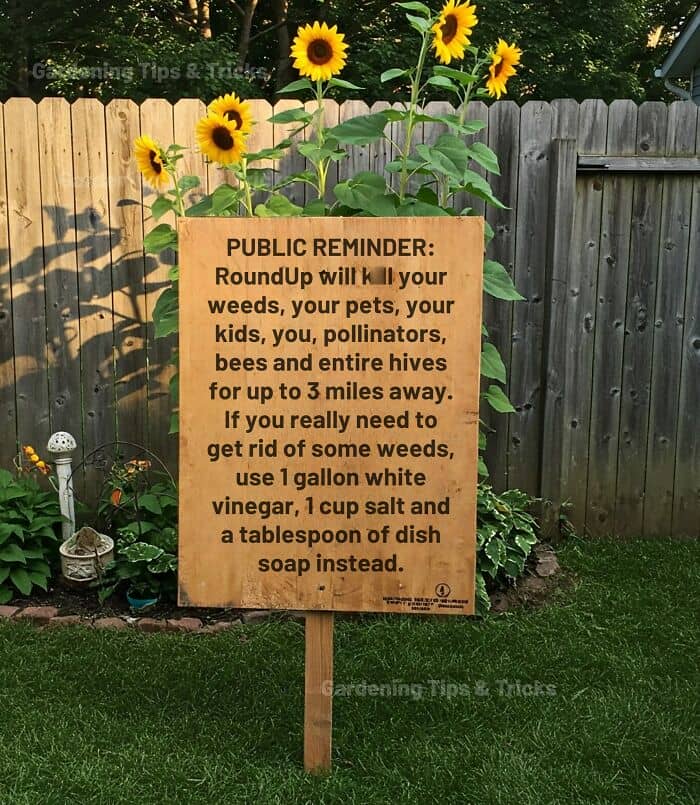
 Zig Zag Wanderer Zig Zag Wanderer Community Member • points posts comments upvotes FollowUnfollow 3 months ago Report
Well, it’s the way it works that makes it less dangerous to other plants. It’s only effective when spayed on the leaves themselves. The run-off is less toxic.
1 1point reply Load More Replies…
 Geoffrey Scott Geoffrey Scott Community Member • points posts comments upvotes FollowUnfollow 3 months ago Report
If it’s okay with you, I will still avoid downwind discing of a field and the dust it creates.
0 0points reply
 cryssH cryssH Community Member • points posts comments upvotes FollowUnfollow 3 months ago Report
Round Up doesn’t know either. It’s spot application. Look up Agent Orange and Vietnam … just Round Up in it’s strongest strength.
0 0points reply
 CK CK Community Member • points posts comments upvotes FollowUnfollow 3 months ago Report
Salt does some serious damage to your garden.
9 9points reply
 Child of the Stars Child of the Stars Community Member • points posts comments upvotes FollowUnfollow 3 months ago Report
Wasn’t salting the soil a method of conquering a culture in ancient times because it prevented the people from feeding themselves?
11 11points reply Load More Replies…
cryssH cryssH Community Member • points posts comments upvotes FollowUnfollow 3 months ago Report
Yep, it’s what Rome did to Carthage.
1 1point reply
 Stardrop Stardrop Community Member • points posts comments upvotes FollowUnfollow 3 months ago Report
this is semitrue. round up is terrible and very toxic, but it certainly won’t be killing you. the environment and the insects in your yard on the other hand…
1 1point reply
PunnyPanda PunnyPanda Community Member • points posts comments upvotes FollowUnfollow 3 months ago Report
I’m inclined to disagree- while I can’t point to a particular study, so maybe I’m wrong, it might be worth doing a little research on that one. Just a suggestion.
0 0points reply Load More Replies…
 Andrew Bome Andrew Bome Community Member • points posts comments upvotes FollowUnfollow 1 month ago Report
Round up is nasty, so you should never use it. But sowing your land with salt? That is bad news as well.
0 0points reply  Greengrass Greengrass Community Member • points posts comments upvotes FollowUnfollow 3 months ago Report
Round Up is nasty though
0 0points reply  JP Purves JP Purves Community Member • points posts comments upvotes FollowUnfollow 3 months ago Report
White vinegar is a much safer alternative to Roundup, but skip the salt if you want to plant things in the future.
0 0points reply tameson tameson Community Member • points posts comments upvotes FollowUnfollow 3 months ago Report
I use 30% vinegar, salt and dish soap. But only on the plants coming up in our driveway. It works pretty well.
0 0points reply  Nikki Sevven Nikki Sevven Community Member • points posts comments upvotes FollowUnfollow 3 months ago Report
I will admit that I have some RoundUp. However, my yard is infested with Chinese bittersweet (stupidly introduced to the US as an ornamental plant). The ONLY way to k**l it is to cut the vine close to the root, then sparingly paint the cut end with RoundUp. Localized treatments like this one will not k**l even the plant next to the bittersweet.
0 0points reply  Jeff Hunt Jeff Hunt Community Member • points posts comments upvotes FollowUnfollow 3 months ago Report
Let’s go back to the harsh and destructive chemical controls before round up. Ever seen what atrazine can do to waterways? Or, even better, organic farming. Great population control. The bottom 20% of the population will likely starve.
-1 -1point reply
PunnyPanda PunnyPanda Community Member • points posts comments upvotes FollowUnfollow 3 months ago Report
Not wrong
0 0points reply Load More Replies…